Catégories
Nouveau blog
Comment intégrer un ventilateur d'extraction silencieux dans des conceptions CVC architecturales de luxe ?
September 02 , 2026L'architecture de luxe ne se définit plus uniquement par des matériaux onéreux, des façades impressionnantes, de grandes baies vitrées, un mobilier haut de gamme ou un éclairage sophistiqué. Les espaces de luxe modernes sont de plus en plus jugés sur la qualité de l'expérience qu'ils offrent. La température, l'humidité, la qualité de l'air intérieur, le confort acoustique, la propreté visuelle et la fiabilité des systèmes du bâtiment influencent la perception qu'ont les occupants d'un environnement haut de gamme.
Parmi ces facteurs, la ventilation est l'un des plus importants et des plus faciles à négliger. On attend de l'air frais, une humidité contrôlée et une évacuation efficace de la chaleur, mais on ne souhaite pas entendre constamment les équipements mécaniques qui assurent ces avantages. Un système de ventilation performant mais bruyant peut nuire au confort et au raffinement que l'on recherche dans un bâtiment de luxe.
C’est pourquoi l’intégration de ventilateurs d’extraction silencieux est devenue un élément essentiel de la conception architecturale moderne des systèmes de chauffage, ventilation et climatisation. L’objectif n’est pas simplement d’acquérir un ventilateur peu bruyant. Une solution de ventilation véritablement silencieuse exige une coordination optimale entre le ventilateur, le moteur, le flux d’air, les gaines, la structure de montage, le système de contrôle, les matériaux de construction et l’agencement architectural.
Dans les immeubles résidentiels de luxe, les hôtels de charme, les clubs privés, les restaurants haut de gamme, les boutiques de luxe, les bureaux de direction, les centres de bien-être et les établissements de santé sophistiqués, le système d'extraction d'air doit souvent fonctionner discrètement, sans attirer l'attention. L'idéal est que les occupants profitent des bienfaits de la ventilation sans même s'en apercevoir.
Pour des fabricants comme China Chungfo Fan, cela offre l'opportunité d'aborder la conception des ventilateurs sous un angle à la fois technique et architectural. Un composant de ventilation compact peut s'intégrer à une solution CVC plus vaste si ses caractéristiques acoustiques, ses performances en matière de flux d'air, ses dimensions physiques, ses options de contrôle et sa fiabilité sont prises en compte dès les premières étapes de la conception du bâtiment.
Pourquoi le bruit est important dans les espaces architecturaux de luxe
Le bruit a un impact psychologique différent dans un environnement luxueux que dans un espace industriel ou utilitaire ordinaire. Dans une usine, un entrepôt, un atelier ou un local technique, le bruit des équipements peut être considéré comme faisant partie intégrante de l'environnement. En revanche, dans une chambre d'hôtel de luxe ou une résidence privée, même un bruit continu relativement faible peut devenir perceptible.
L'architecture de luxe vise souvent à créer une sensation de calme. Matériaux naturels, éclairage tamisé, textures soigneusement choisies, équipements dissimulés et proportions spatiales maîtrisées contribuent à créer une atmosphère propice à la détente. Un ventilateur émettant un bruit persistant peut perturber cette atmosphère.
Le problème s'accentue car les ventilateurs peuvent fonctionner pendant de longues périodes. Un bref bruit intermittent peut être acceptable, mais un fonctionnement continu crée une perception différente. L'ouïe humaine est très sensible aux sons tonaux répétitifs, surtout dans un environnement calme.
C’est pourquoi le bruit du ventilateur ne doit pas être considéré comme une spécification isolée. Le niveau sonore généré par le ventilateur ne représente qu’une partie du résultat acoustique. Les turbulences de l’air, les vibrations du moteur, le comportement des roulements, les surfaces de montage, la résonance des conduits, la conception de la grille et les pertes de charge peuvent tous influencer la perception sonore des occupants.
Un ventilateur présentant un niveau sonore acceptable en laboratoire peut néanmoins devenir bruyant après son installation si le système de conduits est mal conçu. À l'inverse, un ventilateur bien choisi, associé à un réseau de conduits adapté et à une isolation antivibratoire, peut offrir un fonctionnement beaucoup plus silencieux en conditions réelles.
Cette distinction est particulièrement importante pour les systèmes de chauffage, ventilation et climatisation (CVC) architecturaux, car le ventilateur est souvent intégré à un réseau plus vaste. Le système de ventilation complet détermine l'effort requis du ventilateur. Si le système crée une résistance excessive, le ventilateur peut devoir fonctionner à une vitesse plus élevée. Une vitesse plus élevée peut accroître les turbulences, les vibrations, le bruit du moteur et le bruit aérodynamique.
Le premier principe d'une ventilation silencieuse est donc simple : ne pas concevoir le ventilateur indépendamment du système de flux d'air.
Un fonctionnement silencieux commence par une sélection correcte du ventilateur.
L'étape la plus importante pour créer un système d'extraction silencieux est le choix d'un ventilateur adapté aux conditions de fonctionnement réelles. Une erreur fréquente consiste à sélectionner un ventilateur uniquement en fonction de son débit d'air maximal.
Le débit d'air maximal est utile pour comparer les produits, mais il ne présage en rien du fonctionnement réel d'un ventilateur après son installation. Un ventilateur raccordé à un système de conduits restrictif peut fournir un débit d'air nettement inférieur à celui indiqué par sa valeur nominale. Si le débit d'air requis n'est pas atteint, le système peut compenser en augmentant la vitesse ou la durée de fonctionnement du ventilateur.
Un processus de sélection plus performant prend en compte le débit d'air, la pression statique, la tension de fonctionnement, la vitesse, le niveau sonore, les dimensions, le système de roulement, la conception du moteur, la durée de fonctionnement prévue, les conditions de température et les exigences de contrôle.
Pour les équipements architecturaux compacts, un ventilateur axial à courant continu s'avère utile lorsque l'espace est limité et que l'application requiert une circulation d'air directe à travers un conduit de ventilation relativement ouvert. Les ventilateurs axiaux offrent une solution compacte tout en conservant des performances de ventilation optimales.
Cependant, une configuration axiale n'est pas adaptée à toutes les applications de ventilation. Lorsque le système requiert une pression plus élevée ou présente un circuit d'air complexe, une structure centrifuge peut s'avérer plus appropriée. Le choix du ventilateur doit donc se faire en fonction de la résistance du système et non uniquement de sa catégorie.
La relation entre le débit d'air et la pression est particulièrement importante. Un ventilateur ne fonctionne pas à son débit d'air maximal une fois raccordé à un réseau de conduits. Le point de fonctionnement réel est déterminé par l'intersection de la courbe de performance du ventilateur et de la courbe de résistance du système.
Dans les projets architecturaux de luxe, les ingénieurs doivent identifier la résistance du système avant de choisir le ventilateur. Cela inclut la longueur des conduits, les coudes, les filtres, les grilles, les registres, les silencieux, les transitions et autres composants. Une fois la pression requise connue, le ventilateur peut être sélectionné pour assurer le débit d'air nécessaire sans vitesse excessive.
Pourquoi une vitesse réduite peut améliorer le confort acoustique
La vitesse du ventilateur est l'une des variables les plus importantes influençant le bruit. Dans de nombreuses applications, une augmentation de la vitesse peut accroître considérablement le bruit aérodynamique. Un système utilisant un ventilateur à vitesse excessive peut donc engendrer des problèmes acoustiques, même si le ventilateur est techniquement capable de fonctionner silencieusement.
Une meilleure approche consiste à choisir une taille de ventilateur et un point de fonctionnement appropriés afin que le débit d'air requis puisse être fourni à une vitesse de rotation raisonnable.
C’est là que les ventilateurs compacts et la commande de moteur personnalisée prennent tout leur sens. Au lieu de fonctionner en continu à pleine puissance, un système de ventilation peut utiliser une régulation de vitesse variable pour adapter les performances du ventilateur à la demande réelle.
Par exemple, dans une résidence de luxe, une ventilation plus puissante peut être nécessaire pendant la douche, mais bien moindre ensuite. Un ventilateur fonctionnant en continu peut tourner à basse vitesse en conditions normales et accélérer temporairement lorsque l'humidité augmente.
Cette approche présente plusieurs avantages. Elle permet de réduire les bruits inutiles, de diminuer la consommation d'énergie, d'améliorer la durée de vie des équipements et de mieux contrôler les conditions intérieures.
La commande PWM permet également une gestion plus précise de la vitesse dans les systèmes compatibles avec l'architecture électrique requise. En ajustant la vitesse du ventilateur en fonction des besoins réels de ventilation, le système CVC n'a pas besoin de fonctionner en permanence à pleine capacité.
Il en résulte un système de ventilation plus intelligent, quasiment invisible pour les occupants.
Le rôle de la conception des moteurs et des roulements
Le moteur est une autre source importante de performances acoustiques. Un ventilateur ne produit pas de bruit uniquement grâce au mouvement de l'air à travers ses pales. Les composants électriques et mécaniques contribuent également au profil sonore global.
Le déséquilibre du moteur, le frottement des roulements, le mouvement du rotor, les vibrations structurelles et les tolérances de fabrication peuvent tous influencer le comportement du ventilateur.
Un moteur sans balais bien conçu garantit un fonctionnement stable et un contrôle précis de la vitesse. Le choix des roulements influe également sur les performances à long terme. Les paliers lisses et les roulements à billes présentent des caractéristiques différentes ; le choix approprié dépend de l’environnement d’installation, de la durée de fonctionnement prévue, de la température, de l’orientation et de la durée de vie requise.
Dans les équipements compacts où l'espace est limité, les petits ventilateurs peuvent également apporter des solutions efficaces en matière de flux d'air. Le ventilateur 5015, par exemple, appartient à cette catégorie et convient aux applications nécessitant un flux d'air plus dirigé. Son adéquation dépend du débit et de la pression requis, et non de sa seule taille.
Le même principe s'applique au ventilateur 3010. Les ventilateurs très compacts sont particulièrement utiles lorsque l'équipement de ventilation doit être installé dans des espaces restreints ou des compartiments dissimulés. Cependant, des dimensions réduites ne garantissent pas automatiquement un fonctionnement silencieux. Le moteur, la géométrie de la turbine, la pression requise, le système de fixation et la vitesse de rotation doivent être évalués conjointement.
Pour les projets de luxe, l'objectif devrait être un fonctionnement stable et prévisible plutôt que le simple coût d'achat le plus bas possible.
Réduire les vibrations avant qu'elles ne deviennent du bruit
Les vibrations sont souvent négligées lors de la conception des systèmes de chauffage, ventilation et climatisation. Les ingénieurs peuvent se concentrer sur les niveaux de pression acoustique sans accorder suffisamment d'attention à la manière dont les vibrations mécaniques se propagent dans la structure du bâtiment.
Un ventilateur fixé directement sur un panneau métallique rigide peut transmettre des vibrations à la structure environnante. Le panneau peut alors agir comme un radiateur acoustique. Dans une pièce silencieuse, ces vibrations peuvent devenir perceptibles même si le niveau sonore du ventilateur est relativement faible.
Un montage correct peut donc faire toute la différence.
Des composants de montage flexibles, des matériaux d'isolation des vibrations, des composants rotatifs équilibrés, un assemblage précis et un support structurel approprié peuvent réduire la transmission des vibrations.
Il convient également de tenir compte de la surface de montage. Un panneau métallique mince peut amplifier les vibrations différemment d'un panneau structurel épais. L'enceinte environnante peut créer des fréquences de résonance qui rendent certaines vitesses de fonctionnement du ventilateur plus perceptibles.
C’est pourquoi l’ingénierie acoustique devrait commencer à l’interface mécanique plutôt que d’être ajoutée à la fin du projet.
Intégration architecturale et ventilation dissimulée
L'une des caractéristiques essentielles de l'architecture de luxe est la pureté visuelle. Les designers privilégient souvent les équipements dissimulés, les grilles intégrées, les ouvertures minimales et les surfaces ininterrompues.
Un système de ventilation doit donc s'intégrer à l'architecture plutôt que de devenir un objet mécanique visible.
Fans can be positioned inside ceiling voids, service cavities, equipment compartments, bathroom ceiling systems, kitchen ventilation structures, furniture systems, or dedicated mechanical zones.
The challenge is to maintain sufficient airflow while preventing the fan from being obstructed.
A concealed fan still requires sufficient intake and discharge area. If the opening is too small, airflow resistance increases. If the grille is poorly designed, turbulence and noise may increase.
The ideal architectural solution balances three requirements. The fan should remain visually discreet, the airflow path should remain efficient, and maintenance access should remain practical.
This is particularly important in luxury residences where architectural finishes can be expensive and difficult to remove. A ventilation component that requires extensive ceiling demolition for routine maintenance can create a poor long term ownership experience.
Designing Maintenance Into The Architecture
A quiet exhaust fan is only successful if it remains quiet throughout its service life.
Dust accumulation, bearing wear, blade contamination, loose mounting components, and blocked airflow paths can gradually change fan performance. A system that was almost silent during commissioning may become more noticeable after years of operation.
Maintenance access should therefore be considered during the design stage.
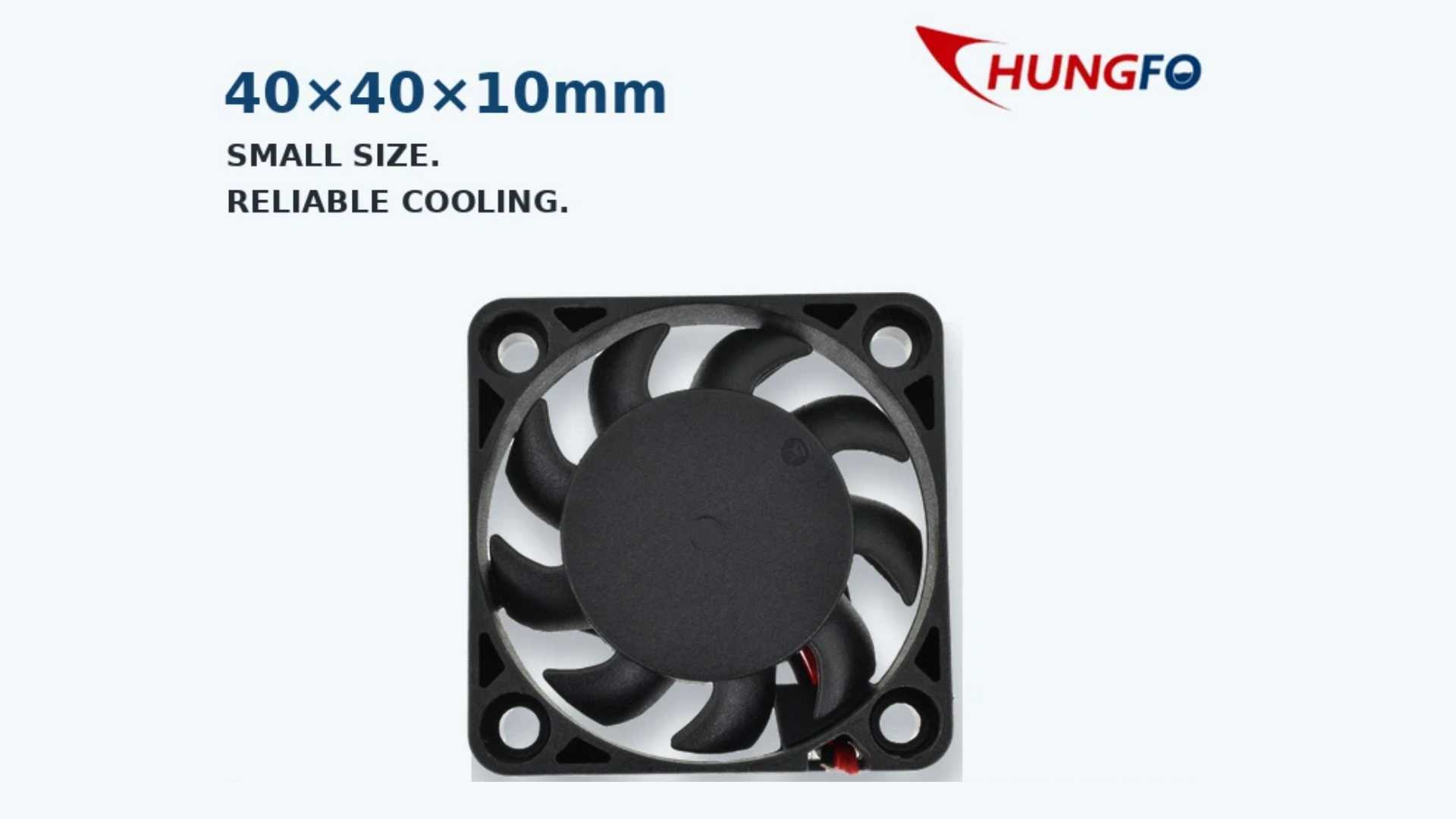
Service panels can be hidden within architectural details. Removable grilles can provide access to filters and fan components. Modular fan assemblies can make replacement easier.
For high end buildings, maintenance should not require compromising the appearance of the interior. The service solution should be planned with the same attention given to lighting, plumbing, and electrical equipment.
This is one reason why fan manufacturers should communicate closely with HVAC engineers and architectural teams. Product dimensions, connector positions, mounting holes, airflow direction, replacement procedures, and service clearances can all influence the final building design.
Quiet Exhaust Fans In Luxury Bathrooms
Bathrooms are one of the clearest examples of why quiet exhaust ventilation matters.
A luxury bathroom may include stone surfaces, glass, wood, decorative metal, large mirrors, and other hard surfaces. These materials can reflect sound and create a more acoustically sensitive environment.
At the same time, bathrooms require effective humidity removal. Steam generated by showers and hot water can increase humidity rapidly. Without adequate exhaust, moisture may remain inside the room and contribute to condensation, odors, and long term material problems.
The ventilation system therefore has to remove humid air without becoming the dominant sound source.
A variable speed exhaust fan can provide a practical solution. During normal operation, the fan can run at a lower speed. When humidity increases, the control system can temporarily increase airflow.
This creates a ventilation pattern that follows actual demand instead of operating continuously at maximum capacity.
For luxury hotels and private residences, this type of control can significantly improve the perceived quality of the bathroom environment.
Luxury Kitchens Require Another Approach
Kitchen ventilation is more demanding because cooking generates heat, moisture, grease, odors, and particles.
A quiet fan cannot simply be selected based on sound level. It must also be capable of handling the required airflow and pressure conditions.
Duct length, bends, filters, dampers, and exhaust outlets can create substantial resistance. If the fan is undersized, airflow may be insufficient. If the fan is oversized and operated at unnecessarily high speed, noise may become excessive.
The design should therefore begin with the required airflow and pressure and then optimize the fan operating point.
In premium kitchens, the fan may also be separated physically from the occupied space. Placing the primary fan in a remote service location can reduce the amount of mechanical noise reaching the kitchen while maintaining effective air extraction.
This approach demonstrates an important architectural principle. Sometimes the quietest fan is not simply a quieter fan. It is a fan placed in a better location.
Quiet Ventilation In Luxury Hotels
Hotels present an even more complex challenge because the same HVAC principles must work across hundreds of rooms.
Guests have different expectations and different sensitivity to sound. A ventilation system that is acceptable to one guest may be noticeable to another.
Hotel rooms also have nighttime operating requirements. Guests may sleep while ventilation continues to operate.
Low speed continuous ventilation can therefore be useful when properly designed. Instead of allowing the fan to cycle between noisy high speed operation and complete shutdown, a controlled low speed mode can maintain background ventilation while minimizing acoustic disturbance.
Bathrooms can use humidity based demand control. Service rooms can use scheduled operation. Public areas can respond to occupancy. Conference rooms can respond to carbon dioxide or air quality sensors.
The overall objective is to make ventilation responsive without making the mechanical system noticeable.
Luxury Offices And Executive Spaces
Executive offices, boardrooms, private meeting rooms, and premium commercial interiors also require acoustic control.
A ventilation fan located near a conference room can interfere with speech intelligibility. A repetitive tonal noise can make conversations more difficult and can affect the perceived quality of meetings.
In these environments, fan selection should be coordinated with the acoustic requirements of the room.
The HVAC designer should consider not only the fan sound level but also duct breakout noise, grille noise, vibration transmission, and background sound.
A well designed system can locate fans away from occupied zones and use properly sized ductwork to distribute air quietly.
This is especially important in executive environments where confidentiality and concentration are important.
Wellness Spaces And Luxury Spas
Spas, wellness centers, meditation rooms, and premium fitness spaces place particularly high demands on acoustic comfort.
These environments are intentionally designed to reduce stress. Water features, natural materials, soft music, and controlled lighting are often used to create a peaceful atmosphere.
Ventilation must support humidity control and air quality without disturbing the experience.
In spa environments, humidity may be significantly higher than in ordinary commercial spaces. Fan materials, motor protection, bearing selection, and electrical protection should therefore be evaluated according to the actual environmental conditions.
Quiet operation remains important, but environmental reliability cannot be sacrificed for acoustic performance.
This is another reason why fan customization can be valuable. The ideal solution may require a specific voltage, airflow range, speed profile, material configuration, protection level, or control method.
The Importance Of Ductwork
Even the best quiet fan can become noisy when connected to poorly designed ductwork.
Small ducts increase air velocity. High velocity can generate turbulence and aerodynamic noise. Sharp elbows can create additional pressure loss. Poorly designed transitions can generate flow separation.
The solution is not necessarily to reduce fan speed alone. The entire airflow path should be optimized.
Duct diameter, length, bend radius, grille area, filter selection, and outlet geometry should be evaluated together.
A larger duct can sometimes allow the same airflow to move at a lower velocity, reducing turbulence. Smooth transitions can reduce pressure loss. Properly designed grilles can improve air distribution.
The fan and ductwork should therefore be treated as one system.
Acoustic Treatment And Fan Placement
Physical distance can also be an effective acoustic design tool.
If the fan can be located away from bedrooms, living rooms, meeting rooms, or relaxation areas, the perceived sound can be reduced.
Remote fan placement is particularly practical when the building includes accessible service zones. The fan can be positioned in a ceiling service cavity or mechanical room while the occupied room receives only the airflow through a properly designed duct system.
Acoustic lining and silencers can also be used where appropriate. However, these components create additional pressure resistance, so they must be included in the fan selection process.
Adding acoustic treatment after the fan has already been selected can cause unexpected airflow problems.
The best sequence is to calculate system resistance, select the fan, evaluate noise, and then optimize the complete system.
Smart Controls Make Quiet Ventilation More Effective
Modern luxury buildings increasingly rely on automation.
Ventilation can be connected to humidity sensors, temperature sensors, occupancy sensors, air quality sensors, timers, building management systems, and smart home platforms.
This creates opportunities for more precise fan operation.
Instead of running continuously at full speed, the system can respond to actual conditions.
A bathroom fan can increase speed when humidity rises. A storage room can operate according to a schedule. A private gym can increase ventilation when occupancy increases. A hotel room can maintain low background ventilation when occupied and adjust operation after the guest leaves.
This type of demand based control can improve both comfort and efficiency.
It also supports the architectural objective of invisibility. The ventilation system becomes something that reacts automatically rather than something occupants have to manage manually.
Energy Efficiency And Quiet Operation
Energy efficiency and acoustic comfort can support each other when the system is designed correctly.
Running a fan faster than necessary consumes additional power and may create unnecessary noise. A correctly sized fan operating near an efficient point can provide the required airflow without excessive energy use.
Variable speed operation can further reduce energy consumption during periods of low demand.
In large luxury buildings, even a small reduction in fan operating power can become meaningful over the lifetime of the building.
The energy strategy should therefore not focus only on the motor efficiency rating. It should consider the entire operating profile.
A fan that is efficient at maximum speed but spends most of its life operating at unnecessary capacity may not provide the best real world solution.
Customization For Architectural Projects
Standard fan products are useful for many applications, but luxury architectural projects often have unusual space and integration requirements.
A fan may need to fit into a specific cavity. The connector may need to face a particular direction. The mounting pattern may need to match an existing bracket. The operating voltage may need to match the building control system.
The fan may also require customized speed control, airflow direction, cable length, material, bearing configuration, or protection features.
This is where an experienced fan manufacturer can contribute beyond simply supplying a catalog product.
China Chungfo Fan can approach the application from the perspective of the actual equipment environment. Instead of treating the fan as an isolated component, the manufacturer can work with project requirements to identify the required airflow, pressure, voltage, dimensions, speed, noise target, and control method.
For architectural HVAC projects, this cooperation can shorten the gap between mechanical engineering requirements and the physical realities of the building.
Testing Before Mass Deployment
Luxury projects often involve significant investment in finishes and equipment. It is therefore advisable to validate ventilation performance before large scale installation.
Prototype testing can evaluate airflow, pressure, noise, vibration, temperature, and control behavior.
Acoustic testing can also identify unexpected tonal noise or structural vibration.
If a fan sounds acceptable in open air but becomes noisy after being installed inside an enclosure, the test environment can reveal the problem before the final architectural finishes are completed.
This is particularly valuable for hotel developments, premium residential towers, private clubs, medical facilities, and other projects where repeated modifications are expensive.
The goal is not simply to verify that the fan works. The goal is to verify that the complete ventilation system works as intended within the architectural environment.
Why Fan Manufacturers Should Understand Architecture
Traditional fan engineering often focuses on airflow, pressure, motor performance, temperature, and reliability.
Those specifications remain essential, but architectural applications require a broader perspective.
A fan may be technically excellent but difficult to integrate. It may provide high airflow but require too much space. It may be quiet in laboratory testing but create vibration after installation. It may be reliable but difficult to access for maintenance.
Architectural HVAC therefore requires collaboration between several disciplines.
Mechanical engineers determine airflow and pressure requirements. Electrical engineers determine power and control requirements. Acoustic engineers evaluate noise and vibration. Architects determine visual integration and spatial constraints. Facility managers consider maintenance and long term operation.
The fan manufacturer sits at the center of these requirements because the fan connects the electrical, mechanical, acoustic, and architectural systems.
A manufacturer capable of understanding these interactions can provide greater value than a supplier that only provides a specification sheet.
The Future Of Quiet Architectural Ventilation
The future of luxury HVAC design will likely move toward smaller, smarter, quieter, and more responsive ventilation systems.
Fans will increasingly operate according to actual environmental demand rather than fixed schedules.
Compact motors and improved control electronics will make variable speed operation more practical.
Sensors will provide more information about humidity, occupancy, air quality, and temperature.
Architects will increasingly expect ventilation components to disappear into the building rather than dominate the ceiling or wall.
At the same time, maintenance and reliability will remain critical. A luxury building cannot depend on a system that performs well only during the first few months of operation.
The most successful solutions will combine quiet mechanical design, efficient airflow, intelligent control, robust materials, reliable motors, and service friendly installation.
How To Specify A Quiet Exhaust Fan For A Luxury Project
The specification process should begin by identifying the actual ventilation requirement.
The design team should determine the required airflow, expected static pressure, operating schedule, available installation space, electrical supply, environmental conditions, acoustic target, control strategy, and maintenance requirements.
The next step is to identify the appropriate fan architecture.
An axial fan may be suitable for direct airflow applications with relatively low system resistance. A blower or centrifugal structure may be more suitable when the system requires higher pressure or directional airflow.
The fan should then be evaluated at its real operating point rather than only at free air conditions.
Noise should be evaluated together with vibration and installation conditions.
The mounting method should be designed before construction.
Ductwork should be sized to avoid unnecessary air velocity and pressure loss.
Control systems should be configured so that the fan operates according to actual demand.
Finally, prototype testing should be performed whenever the project has strict acoustic or architectural requirements.
This process creates a more predictable result and reduces the risk of expensive modifications after construction.
Conclusion
A quiet exhaust fan can be much more than a mechanical component inside a luxury building. When correctly integrated, it becomes part of the invisible infrastructure that supports comfort, air quality, humidity control, energy efficiency, and the overall feeling of refinement.
The key is to stop thinking about quietness as a single fan specification.
True acoustic performance depends on the interaction between the fan, motor, bearing, blade design, airflow, pressure, ductwork, mounting structure, architectural materials, controls, and maintenance strategy.
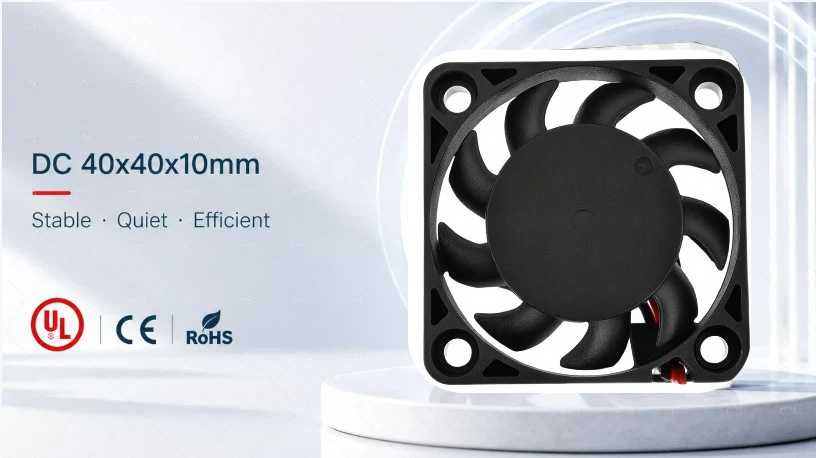
Luxury architecture demands this level of coordination because the mechanical system must deliver strong performance without becoming visually or acoustically dominant.
For bathrooms, kitchens, hotels, executive offices, spas, private residences, and premium commercial spaces, the right ventilation strategy can provide clean air and humidity control while remaining almost unnoticed.
China Chungfo Fan can support this approach by combining fan engineering with application based customization. From compact ventilation components to larger cooling and exhaust solutions, the right fan should be selected according to the complete system rather than one isolated specification.
The future of luxury HVAC is not simply about moving more air. It is about moving the right amount of air, at the right speed, through the right pathway, with the lowest practical acoustic and energy impact.
When ventilation becomes almost invisible, the architecture can speak for itself.
FAQ
What makes an exhaust fan suitable for luxury architectural HVAC?
A suitable exhaust fan should provide the required airflow and pressure while maintaining low acoustic output, low vibration, reliable operation, compact dimensions, and appropriate control capability. The fan must also be easy to integrate into the architectural and mechanical design.
Is a quiet exhaust fan always better than a high airflow fan?
Not necessarily. A fan must provide sufficient airflow for the application. Selecting an extremely quiet fan that cannot overcome system resistance may result in poor ventilation. The correct approach is to balance airflow, pressure, speed, efficiency, and acoustic performance.
Can a DC Axial Fan be used in architectural ventilation?
Yes, depending on the system design. ADC Axial Fancan be suitable for compact ventilation and cooling applications where the airflow path has relatively manageable resistance. The actual suitability should be determined by the required airflow and static pressure.
Why does a fan become louder after installation?
Installation can introduce additional resistance, turbulence, vibration, and resonance. Ductwork, grilles, mounting panels, and enclosures can all change the acoustic behavior of a fan. This is why system level testing is important.
How can fan speed control reduce noise?
Reducing fan speed during periods of low ventilation demand can reduce aerodynamic noise and mechanical activity. Variable speed control allows the fan to increase output only when higher ventilation is required.
Are small blower fans useful for luxury HVAC equipment?
Small blower fans can be useful where space is limited and a more directed airflow path is required. Products such as ablower fan 5015or a3010 blower fanmay be considered for compact equipment, but the correct model must be selected according to airflow, pressure, dimensions, and operating conditions.
How should fan vibration be controlled?
Proper balancing, bearing selection, rigid but suitable structural support, vibration isolation, and accurate installation can reduce vibration transmission. The surrounding enclosure should also be evaluated because structural resonance can amplify mechanical vibration.
Can a ventilation fan be completely hidden?
Yes. Fans can be installed inside ceiling cavities, service compartments, equipment cabinets, bathroom ceiling systems, or remote mechanical spaces. However, sufficient airflow clearance and maintenance access must still be provided.
How does ductwork affect exhaust fan noise?
Duct size, air velocity, elbows, transitions, filters, dampers, and grilles affect system resistance and turbulence. Poor duct design can force the fan to operate at higher speed and can generate additional aerodynamic noise.
Why is variable speed ventilation useful in luxury buildings?
Variable speed ventilation allows the system to respond to actual demand. It can provide lower background ventilation during normal conditions and increase airflow when humidity, occupancy, or air quality conditions require additional ventilation.
What should architects consider when integrating a quiet fan?
Architects should consider fan dimensions, installation location, access for maintenance, airflow openings, grille appearance, vibration transmission, duct routing, acoustic requirements, and coordination with ceilings and interior finishes.
Why should fan manufacturers participate early in a project?
Early cooperation allows the fan to be selected according to actual airflow, pressure, space, voltage, control, acoustic, and maintenance requirements. This can reduce the risk of redesign and improve integration between the HVAC system and architectural design.
What role can China Chungfo Fan play in luxury HVAC projects?
China Chungfo Fan can provide fan solutions based on application requirements, including airflow, pressure, voltage, dimensions, speed, noise, control, and installation conditions. For specialized projects, customized fan development can help bridge the gap between standard products and specific architectural HVAC requirements.